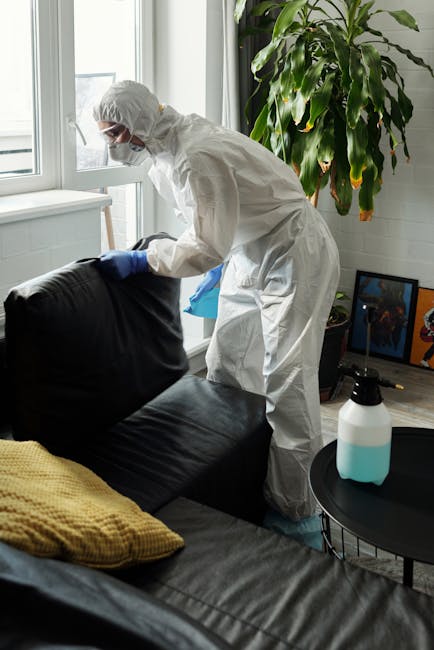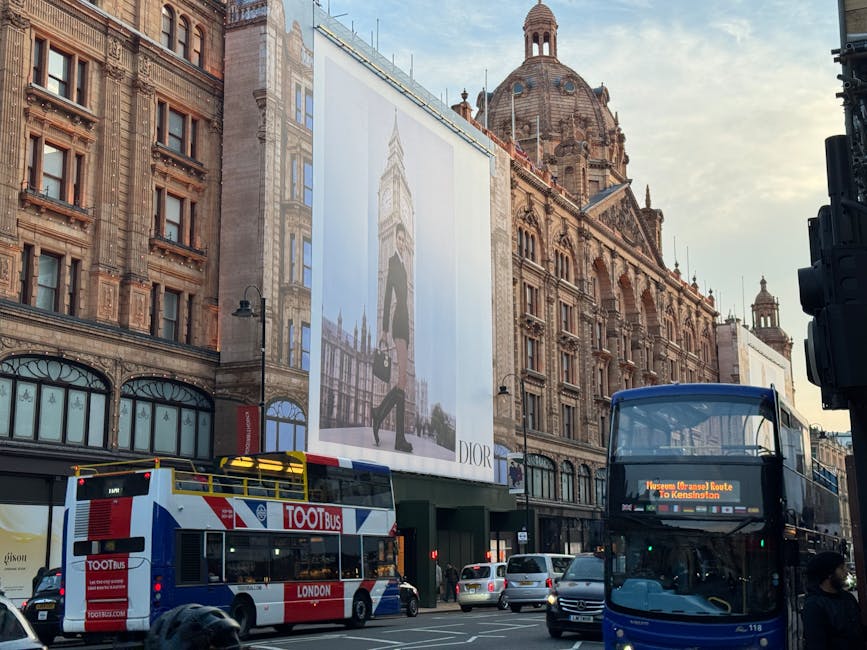
Access issues for large furniture cleaning Knightsbridge solutions: how to plan awkward moves without the stress
Large furniture cleaning sounds straightforward until the real-world details show up: a narrow hallway, a lift that is just a bit too small, a protected entrance, or a sofa that seemed manageable in the showroom but now feels like it was designed by someone with no patience for London flats. In Knightsbridge, those access issues can make or break the job. This guide breaks down Access issues for large furniture cleaning Knightsbridge solutions in plain English, so you can plan properly, avoid unnecessary damage, and get the clean finished without the usual drama.
You will find the practical steps, the common mistakes people make, and the best ways to prepare when bulky items need upholstery or deep cleaning. It is a very local problem, really, and one that often needs a local solution.
Why access issues for large furniture cleaning Knightsbridge solutions Matters
Access is not a side issue. It is the issue. If a large armchair, sectional sofa, ottoman, dining set, or mattress cannot be moved safely into the property, the cleaning plan changes immediately. In Knightsbridge, that matters even more because homes and apartments can combine premium finishes with awkward layouts: tight stairwells, shared entrances, concierge rules, basement flats, and lifts that are fine for people but not exactly generous with space.
When access is poor, three things tend to happen. First, time increases. Second, the risk of scuffs, knocks, or fabric damage goes up. Third, the overall result can suffer because the team has less room to work. That is true for upholstery cleaning, carpet-edge work around furniture, and deep cleaning jobs where items need to be shifted or covered carefully.
To be fair, most people do not think about access until the day of the appointment. Then the moment arrives, the sofa is halfway through a doorframe, and everyone starts doing that awkward sideways shuffle. Not ideal.
Good planning avoids all of that. It also helps if you are booking around a move, an end-of-tenancy deadline, or a quick turnaround after a party or renovation. If you want a broader overview of available household help in the area, the services overview is a useful place to see how the different cleaning types fit together.
How access issues for large furniture cleaning Knightsbridge solutions Works
In practice, a proper access-led cleaning job starts before anyone brings equipment inside. The cleaner or office team needs to understand the layout, the size of the furniture, and the constraints around entry and movement. The process often looks like this:
- Assess the item size - measure width, height, depth, and any fixed parts such as arms, legs, or headboards.
- Check the route - front door, lobby, stairs, landing turns, internal doors, lift dimensions, and parking access.
- Identify handling risks - fragile frames, loose legs, delicate fabric, wall corners, polished flooring, and low ceilings.
- Decide whether the item stays in place - some furniture can be cleaned where it sits; others need to be moved to access all sides.
- Prepare protection - dust sheets, corner protection, fabric-safe covers, and suitable footwear or equipment for carrying.
- Plan the clean around access windows - concierge availability, loading restrictions, resident permissions, or timed lift access.
There is also a simple practical distinction worth knowing. Some jobs are access-limited, meaning the item can be cleaned but only under tighter conditions. Others are access-blocked, meaning the furniture cannot safely reach the cleaning area at all without a different plan. That second one is where the problem usually gets expensive or annoying, or both.
If the issue is about fabric furniture rather than hard surfaces, it may help to compare the approach with specialist fabric care. The page on upholstery cleaning in Knightsbridge gives a clearer sense of how soft furnishings are typically handled.
Key Benefits and Practical Advantages
It may sound obvious, but access planning saves more than time. It protects the furniture, the property, and the mood of everyone involved. Nobody wants to start a cleaning appointment already tense because the hallway is too narrow for the job.
- Less risk of damage - doorframes, skirting boards, upholstery piping, and polished floors are all safer when movement is planned.
- Cleaner results - teams can reach more surfaces, clean more evenly, and avoid rushed patchwork work.
- Better scheduling - if the access route is known, the appointment can be timed more realistically.
- Fewer surprises - you avoid last-minute changes, extra handling, or having to postpone part of the job.
- Lower stress - and yes, that matters. A calm appointment usually produces a better outcome.
There is another benefit people sometimes miss: access planning improves decision-making. Once you know what will and will not fit, you can choose between in-situ cleaning, partial dismantling, or a specialist handling approach. That is far better than guessing on the day.
Expert summary: In Knightsbridge, the most successful large-furniture cleaning jobs are rarely the ones with the biggest kit. They are the ones with the clearest access plan.
Who This Is For and When It Makes Sense
This topic matters to a pretty wide group of people. If you live in a mansion block, a mews property, a modern apartment, or a townhouse with compact internal stairs, you are already in the zone. It also matters for landlords, tenants, managing agents, interior designers, and anyone coordinating cleaning around a move or refurbishment.
You will especially benefit from access-led planning if:
- the furniture is oversized or heavy;
- the property has a lift with tight dimensions;
- the building has concierge restrictions or timed entry;
- there are shared areas where damage could become a dispute;
- the item is valuable, antique, or awkwardly shaped;
- the clean needs to happen fast, perhaps before handover or a viewing.
It also makes sense when you are in a property that is well-connected but not exactly spacious. Knightsbridge has plenty of elegant homes where the front door opens into a lovely corridor that, frankly, was not designed for a three-seater sofa. If you live or work nearby, the local context matters. A useful background read is Knightsbridge living advice from residents, which gives a feel for the realities people deal with every day.
For property owners, this can be part of wider asset care too. If you manage a high-value flat or a rental, access issues should be considered alongside maintenance, presentation, and turnaround planning. That is one reason why many owners also keep an eye on investment property in Knightsbridge decisions and day-to-day upkeep.
Step-by-Step Guidance
Here is the practical bit. If you want to reduce access headaches for large furniture cleaning, do this in order.
1. Measure the furniture properly
Do not just eyeball it. Measure the widest and tallest points, and include anything protruding such as arms, cushions, feet, or a headboard curve. A tape measure, yes, the old-fashioned thing, is still the best starting point.
2. Measure the access route
Check the exact route from the pavement or car park to the room. Door widths, corners, lift dimensions, stair turns, railings, and even low-hanging light fittings can matter. Sometimes the sofa is fine; the route is the issue.
3. Photograph the route
Take a few quick photos of entrances, stairs, and the room where the cleaning will happen. It saves a lot of back-and-forth and helps spot problems that measurements alone miss. A doorway may measure fine on paper but still be awkward in real life because of a handle, frame lip, or narrow landing.
4. Ask what can be cleaned in place
Some upholstery and fabric furniture can be treated without moving it far. That is not always possible, but it is often the cleanest solution when space is tight. Ask whether partial access is enough for the method being used.
5. Confirm building rules early
If there is a concierge, porter, or building manager involved, arrange the appointment window in advance. Shared buildings can be lovely until you discover you need permission to keep a trolley in the lobby for fifteen minutes.
6. Protect vulnerable surfaces
Put down runners or coverings where needed, especially for polished floors, painted walls, and tight corners. In a high-end property, this is not overcautious. It is just sensible.
7. Have a fallback plan
If full movement turns out not to be possible, decide now whether the job should be rescheduled, cleaned in place, or completed in sections. That decision is much easier before anyone has lifted a heavy item halfway off the floor.
Expert Tips for Better Results
Small details make a surprisingly big difference. Here are the habits that tend to separate a smooth job from a messy one.
- Book during quieter building hours if possible. Early morning often works well in central London properties because hallways and lifts are calmer.
- Leave more room than you think you need around the furniture. Cleaners need space to move tools and check results.
- Use blankets or corner guards when turning large items. Even a careful move can clip a wall.
- Be honest about access. If there is a tight spiral stair, say so. The best outcome comes from accurate information.
- Separate cleaning from heavy moving if needed. Sometimes the smartest thing is to let a removal or handling team deal with the item before the cleaning starts.
- Keep pets and children clear of the route. It sounds simple, but it prevents a lot of faffing.
One practical tip that gets overlooked: test the route with a smaller object first if you are unsure. A folded duvet or lightweight chair can reveal bottlenecks before the main job starts. Not fancy. Just useful.
If the appointment is urgent, the same logic applies even more. The discussion around short-notice apartment cleaning near Knightsbridge Station is a good reminder that speed and access need to be balanced carefully.
Common Mistakes to Avoid
Most access problems are predictable. That is the annoying part. The good news is they are also avoidable if you know what to look for.
- Assuming the lift will fit everything - it might not, especially for bulky sofas or wide mattresses.
- Forgetting internal bends - a room can be large enough, but the corner into it is what causes the headache.
- Leaving measurements until the day of the clean - by then it is too late to plan properly.
- Ignoring parking or loading restrictions - that adds time, and sometimes stress, which no one needs.
- Using the wrong cleaning method for the setting - if access is limited, a method that relies on moving the furniture may not be the right choice.
- Not checking fabric condition first - fragile seams, loose buttons, and ageing frames need extra care.
Another common mistake is hiding uncertainty behind a confident voice. We have all done it. "Yes, it should fit." Then it does not. Better to say you are not sure and let the measurements settle the matter.
For a sense of how delays and awkward access affect service quality in general, the article on same-day cleaners, delays and common problems in Knightsbridge covers the practical side very neatly.
Tools, Resources and Recommendations
You do not need specialist equipment for the planning stage. A few simple tools will get you most of the way there.
- Tape measure - for furniture dimensions and route widths.
- Phone camera - for documenting entrances, bends, and tight spots.
- Notebook or checklist - old-school, but brilliant for keeping measurements together.
- Protective coverings - dust sheets, blankets, or corner guards for safe movement.
- Access notes - a short written summary of building rules, lift timing, and contact names.
If you are arranging the job as part of a broader home clean, it can help to look at the related household pages such as domestic cleaning Knightsbridge or house cleaning in Knightsbridge so the furniture work fits into the wider plan rather than sitting awkwardly on its own.
For bigger offices or mixed-use spaces, the same access logic applies, though the practical details are different. That is one reason office cleaning Knightsbridge can be a helpful reference point if the furniture is in a work setting rather than a home.
Law, Compliance, Standards, or Best Practice
When large furniture is being moved or cleaned in a property, the main compliance concern is usually safety and property care rather than any single dramatic rule. In the UK, businesses are expected to work with reasonable care, keep people safe, and avoid causing damage or unnecessary risk. That means clear communication, proper handling, and sensible planning.
For shared buildings, you may also need to respect building management rules, tenancy conditions, or access permissions. In practice, the best approach is to treat those rules as part of the job, not as an afterthought. If a concierge has specific timings or a lift needs booking, build that into the appointment from the start.
Good practice also includes:
- using suitable manual handling methods;
- avoiding unsafe lifting when an item is clearly too heavy or awkward;
- protecting common areas from soiling or scuffing;
- checking insurance and safety procedures before the work begins;
- being transparent about limits if access makes the job partly impractical.
When safety is handled properly, everyone relaxes. The job feels more professional, and frankly it usually is. If you want reassurance on that side of things, the pages on insurance and safety and health and safety policy are the right kind of reading before you book.
Options, Methods, or Comparison Table
Not every access problem needs the same solution. Sometimes the smartest move is to alter the method rather than force the item through an awkward route.
| Method | Best for | Pros | Limitations |
|---|---|---|---|
| Clean in place | Large sofas, fixed seating, awkward rooms | Minimal moving, lower damage risk, faster setup | May not reach every angle |
| Partial dismantling | Modular furniture, removable legs, sectional pieces | Improves access, easier manoeuvring | Needs care and time, not suitable for all items |
| Full removal then clean | Items that fit safely through the route | Best all-round access and finish | Higher handling risk if the route is tight |
| Reschedule with extra support | Very heavy or fragile furniture | Allows safer planning and better results | Slower, may need coordination with others |
There is no universal winner. A compact apartment near the station may need one strategy, while a larger townhouse near Harrods may suit another. If you are trying to make sense of nearby service patterns and timing, the article on Harrods area carpet cleaning specialists in Knightsbridge is relevant because access and property type often go hand in hand.
Case Study or Real-World Example
Picture a typical Knightsbridge apartment: elegant reception room, good natural light, but a narrow entrance hall and a lift that is neat rather than generous. A customer wants a large fabric sofa cleaned before guests arrive the following weekend. The sofa fits in the room perfectly. It does not, however, glide happily through the hallway.
Instead of trying to force it out, the cleaner checks whether the job can be done in place. The sofa is moved just enough to protect the floor, the cushions are separated, and the surrounding area is covered. Because the access route is tight, the work is organised in sections. The cleaner takes extra care around the arms, where wear is most visible, and avoids dragging anything along the skirting. The result is good, the room stays undamaged, and nobody has to play human Tetris for an hour.
That kind of outcome is not glamorous, but it is exactly what people want. Calm. Practical. Done properly. And yes, the customer usually feels much better for it by the end of the afternoon.
Practical Checklist
Use this before your appointment. It keeps the whole process grounded.
- Measure the furniture at its widest points.
- Measure doors, hallways, stairs, and lift openings.
- Photograph any awkward corners or low ceilings.
- Tell the cleaner about concierge, parking, or access rules.
- Confirm whether the item can be cleaned in place.
- Remove breakables, loose rugs, and clutter from the route.
- Protect walls, floors, and corners where movement is tight.
- Keep children and pets away from the working area.
- Agree a fallback plan if access turns out to be worse than expected.
- Check the booking terms and any preparation notes before the day.
If you are trying to avoid surprise costs as well as access issues, it is worth reading how to avoid hidden cleaning charges in Knightsbridge. Access complications and pricing questions often arrive together.
Conclusion
Large furniture cleaning in Knightsbridge is rarely difficult because the cleaning itself is impossible. More often, the challenge is access: doorways, lifts, tight corners, and the practical reality of working in beautiful but compact London properties. Once you plan for that properly, the rest becomes much simpler.
The strongest approach is straightforward: measure carefully, communicate early, protect the property, and choose the method that suits the space rather than the other way round. That is the difference between a stressful day and a smooth one. And let's face it, smooth is nicer.
Get a free quote today and see how much you can save.
When access is handled with care, even an awkward job can feel orderly, almost easy. Not magical. Just well planned, which is usually enough.
Frequently Asked Questions
What are the most common access problems for large furniture cleaning in Knightsbridge?
The most common issues are narrow hallways, tight stair turns, small lifts, shared entrances, and limited space around the furniture itself. In Knightsbridge, building layouts often matter as much as the item being cleaned.
Can a large sofa be cleaned without moving it out of the room?
Often, yes. Many large sofas can be cleaned in place if there is enough working room around them and the fabric or construction allows it. The cleaner needs to assess whether in-situ cleaning will still give a proper result.
How do I measure whether a piece of furniture will fit through my property?
Measure the item at its widest and tallest points, then measure every part of the route: doors, corners, stairs, and lifts. If one part of the route is especially awkward, photograph it as well. That usually tells the full story.
Should I tell the cleaner about building rules before the appointment?
Yes, absolutely. If there is a concierge, lift booking, parking restriction, or timed access window, mention it early. It helps the appointment run on time and reduces avoidable delays.
What happens if the furniture is too big to move safely?
If it is too large or too fragile to move safely, the cleaner may recommend cleaning it in place, partial dismantling, or rescheduling with more support. Forcing it is the wrong move. Nobody wins that way.
Does access difficulty usually affect the price?
It can, depending on the extra time, handling, or planning required. The fairest way to avoid misunderstandings is to explain the access situation clearly before the job is booked.
Is Knightsbridge especially difficult for large furniture jobs?
It can be, yes, but not always. Some properties are spacious and straightforward. Others have charming layouts that are less charming once you try to move a sectional sofa through them. It really depends on the building.
What should I remove from the area before the cleaning starts?
Remove breakables, floor clutter, small tables, loose rugs, and anything that could be knocked over. The clearer the route, the safer the clean.
Are there special safety concerns with heavy furniture?
Yes. Heavy items can damage floors, trap fingers, or strain the people moving them if they are handled badly. Good manual handling and a realistic plan matter a lot more than rushing.
How far in advance should I plan access for a large furniture clean?
As early as you can, especially if the property has building management rules or complicated entry. For routine jobs, a bit of notice is usually enough. For urgent work, send measurements and photos right away so the plan can be checked quickly.
What if I am not sure whether the furniture can be cleaned properly because of the access?
Ask for a pre-check based on measurements and photos. That is usually enough to tell whether the item should be cleaned in place, moved, or handled with a different method. A quick honest conversation saves a lot of grief later.
Where can I learn more about related cleaning services in Knightsbridge?
You can compare broader household and specialist options through the site's service pages, including upholstery, domestic, house, carpet, and office cleaning. The wider blog also helps if you want local context before booking.