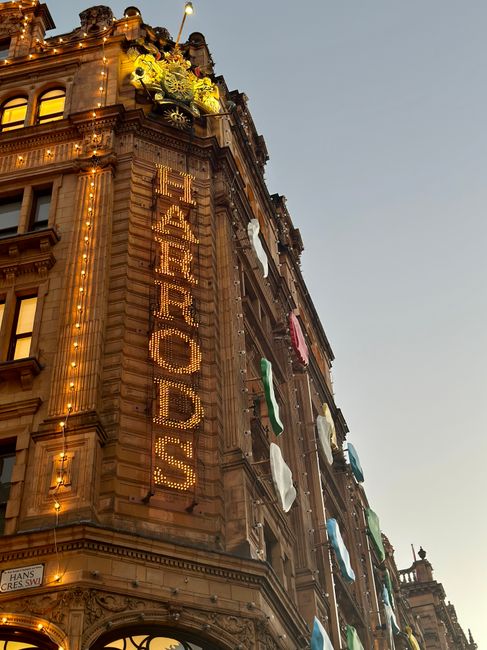
What Knightsbridge residents must know about cleaning permits and rules
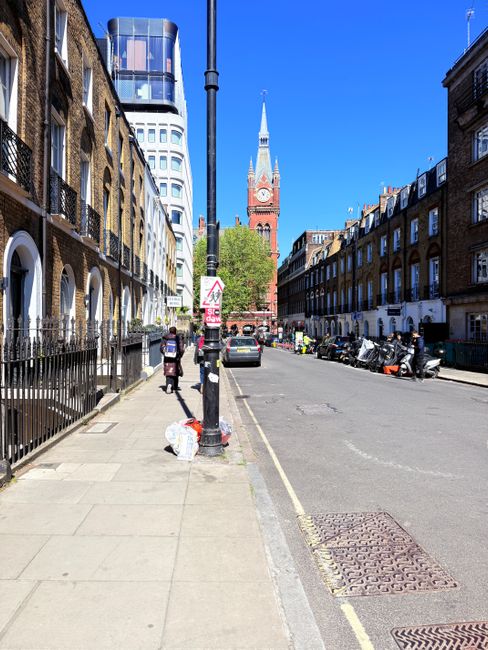
If you live in Knightsbridge, cleaning is rarely as simple as "book someone and get it done." Between apartment blocks, managed estates, shared entrances, service lifts, parking constraints, and the occasional very particular concierge, there are rules that can quietly shape the whole job. What Knightsbridge residents must know about cleaning permits and rules is not just about red tape; it is about avoiding delays, complaints, and unnecessary cost.
In practice, the issues usually fall into three buckets: access permissions, building rules, and council or street-use restrictions that may apply to the way a cleaning job is carried out. That can affect everything from where a cleaner parks to whether equipment can be brought through a communal hallway, or whether specialist work needs a heads-up in advance. Let's face it, nobody wants a smooth clean to turn into a small administrative saga.
This guide explains the rules in plain English, shows you how the process usually works, and gives you a practical way to plan cleaning in Knightsbridge without creating headaches for yourself, your building manager, or your neighbours.
Why What Knightsbridge residents must know about cleaning permits and rules Matters
Knightsbridge is not a loose, anything-goes part of London. It is full of high-value residential buildings, basement flats, portered developments, terraces, mews properties, and busy mixed-use streets. That means cleaning often happens in a managed environment where access and timing matter as much as the actual cleaning task.
The biggest reason this matters is simple: many cleaning problems are not cleaning problems at all. They are access problems, parking problems, disposal problems, or building-management problems. A sofa clean can be delayed because a lift booking was missed. An after-builders clean can run over because the skip permit was not arranged. A regular domestic clean can be awkward because the concierge only accepts contractors during a certain window. Tiny detail, big impact.
There is also a trust factor. When you understand the rules, you can brief a cleaner properly, check what needs approval, and avoid awkward moments at the front desk. That is especially useful in properties where shared spaces, security, and neighbour relations are taken seriously. In Knightsbridge, the calmest jobs are the ones planned carefully before the van even arrives.
If the work involves a larger or more technical clean, it can help to look at a specialist service page first, such as deep cleaning or after builders cleaning, because those jobs are the ones most likely to trigger extra building or access requirements.
How What Knightsbridge residents must know about cleaning permits and rules Works
There is no single universal "cleaning permit" that applies to every property in Knightsbridge. The real picture is a mix of permissions and rules that depend on the type of cleaning, the building, and how the work is carried out.
Here is the simplest way to think about it:
- Building rules cover how contractors enter, move around, park, use lifts, and dispose of waste.
- Access permissions cover who can enter, when they can enter, and whether a concierge or building manager must be notified.
- Local restrictions may apply if the job affects the street, pavement, loading bays, or waste storage.
- Service-specific requirements come into play for work such as builders' cleaning, external washing, gutter cleaning, or any job involving equipment, water, or waste removal.
For a standard home clean, you may only need to confirm entry instructions and perhaps reserve a parking space if the cleaner is driving in. For a more involved job, such as end of tenancy cleaning or move out cleaning, the building may expect a copy of contractor details, insurance information, or a booked time slot for lift access.
Commercial or shared buildings can be stricter. A job in an office or managed block may require notice to reception, a specific time window, and confirmation that the cleaner understands the property's health and safety expectations. If you are dealing with common parts, communal area cleaning is usually governed by the building's own rules and the residents' or managing agent's schedule.
One thing people often miss: the cleaner may be compliant, but the job can still be blocked if the resident has not arranged permissions in advance. That is the part that catches people out, honestly.
Key Benefits and Practical Advantages
Getting the permissions and rules right is not just about avoiding penalties. It makes the whole cleaning process smoother, safer, and less stressful.
- Less disruption: The cleaner can work within approved hours and access routes, which means fewer interruptions for you and your neighbours.
- Better results: The right setup helps the team bring the proper equipment and spend time on the job rather than problem-solving at the door.
- Lower risk of complaints: In a dense residential area, noise, blocked hallways, and misplaced waste can trigger complaints quickly.
- Fewer surprise costs: Avoiding failed access visits and last-minute changes can save money. No one enjoys paying for wasted time.
- Stronger security: Clear contractor instructions matter in portered and managed buildings, where unknown visitors are treated carefully.
There is also a practical comfort in knowing you have done things properly. When you have arranged access, checked rules, and booked the right type of clean, you can simply let the work happen. You will notice the difference straight away: less rushing, fewer questions, and usually a better finish.
For recurring upkeep, many residents find that a planned schedule through regular cleaning works better than ad hoc bookings, because it gives building staff and residents a predictable routine.
Who This Is For and When It Makes Sense
This topic matters for more people than you might think. It is not only for landlords or property managers. In Knightsbridge, the rulebook touches almost anyone booking a clean that involves access, shared space, or specialist equipment.
- Flat owners who need work done in portered or managed buildings.
- Tenants arranging move-out or end-of-tenancy cleans where the building has strict access rules.
- Landlords and letting agents managing check-out timing, inventory standards, and contractor entry.
- Homeowners in terraces or mews properties where parking and waste handling can be awkward.
- Airbnb hosts who need fast turnover without upsetting neighbours or breaching house rules.
- Office managers arranging cleaning in buildings with reception controls and shared services.
It also makes sense whenever the clean is bigger than routine. A quick dust-and-vacuum visit usually needs less planning. But if you are booking one off cleaning, a carpet refresh, or a full property reset after works, there is much more chance that permissions and timing need sorting first.
And if the work includes soft furnishings, it may be worth reviewing options like upholstery cleaning or carpet cleaning so you can match the service to the access conditions rather than forcing the wrong job into the wrong slot.
Step-by-Step Guidance
If you want this to go smoothly, follow a simple sequence. It does not need to be complicated. Just thorough.
- Identify the type of clean. Is it routine, deep, move-related, after-builders, external, or specialist? The more technical the job, the more likely it is to involve rules.
- Check your building terms. Look at lease notes, estate rules, concierge instructions, or managing-agent guidance for access, lift use, waste, and contractor arrivals.
- Confirm parking and loading options. In Knightsbridge, a cleaner may need a legal stopping point or a pre-arranged parking plan. Do not assume they can just "find somewhere nearby."
- Agree the working window. Early mornings, lunch periods, evenings, and weekends can all be treated differently in managed buildings. Some places are strict, some are just fussy. Same difference, really.
- Share entry details clearly. Provide door codes, concierge names, call instructions, and any requirements for ID or visitor sign-in.
- Check insurance and safety information. For specialist or higher-risk work, it is sensible to use a provider that can explain their approach to safety and responsibility, such as the information set out in health and safety policy and insurance and safety.
- Prepare the area. Move personal items, protect valuables, and make sure the cleaner can reach the places that actually need attention.
- Confirm waste and disposal expectations. If rubbish, packaging, or removed items will be generated, check whether your building has a designated route or collection point.
- Keep a record of approvals. A quick email thread or message confirmation can prevent later disputes about what was agreed.
A small example: if a resident books an after-builders clean in a Knightsbridge apartment and only mentions the front door code on the day, they may end up waiting while the concierge checks contractor identity, the lift is booked, and the loading bay is already occupied. Avoidable, but common.
Expert Tips for Better Results
The best cleaning jobs in Knightsbridge are not necessarily the fanciest. They are the best prepared. A few practical habits make a real difference.
- Book with the building in mind, not just the calendar. The cheapest slot on paper can be the most expensive once access delays are added.
- Ask about equipment early. Heavy machines, steam systems, and extraction units may need different access than a simple domestic visit.
- Match the service to the property layout. A compact flat, a maisonette, and a penthouse with terrace access all have different practical needs.
- Use specialist help for specialist surfaces. A delicate rug, a silk curtain, or a natural stone floor can be ruined by a generic approach. Better to be safe.
- Keep neighbours in the loop if noise is likely. This matters more than people think, especially early in the morning or during holiday periods.
- Plan around building routines. Concierge shifts, postal deliveries, refuse collection, and porters' schedules can all affect the clean.
If the job is domestic and recurring, a provider such as domestic cleaning or house cleaning can be a useful fit because the process is usually easier to standardise. For Airbnb-style turnover, airbnb cleaning is often more practical, since timing and presentation matter as much as the actual clean.
One slightly old-fashioned but very effective tip: write the access notes in a way that a tired person can understand at 7:30 a.m. If the instructions are clear then, they are clear enough. Simple beats clever.
Common Mistakes to Avoid
Most issues are predictable. That is the good news. The annoying part is that people still make them.
- Assuming the cleaner can sort everything on arrival. They usually cannot. Permissions are easiest when arranged beforehand.
- Ignoring building-specific rules. A private flat and a managed block are not the same thing, even if they look similar from the street.
- Forgetting about parking or loading. In a dense part of London, this can derail the day fast.
- Booking the wrong type of cleaning. A light refresh is not the same as deep cleaning, and a general clean is not enough after renovation dust.
- Not checking waste rules. Leftover packaging, extracted debris, or removed items may need a defined disposal method.
- Failing to protect communal areas. Drips, dirt, and equipment damage in hallways can create complaints very quickly.
- Leaving keys or access fobs unmanaged. This is one of those tiny details that can become a major stress point.
Another common slip is using a specialist service without explaining the setting. For example, patio cleaning or window cleaning may sound straightforward, but in a Knightsbridge building they can involve access to shared outdoor space, external elevations, or neighbour consent. It is not dramatic, just necessary.
Tools, Resources and Recommendations
You do not need a complicated toolkit, but you do need the right information in one place. That keeps everyone calmer.
Useful things to have ready:
- your building manager or concierge contact details
- access codes, keys, or visitor instructions
- parking notes or loading instructions
- a clear description of the rooms and surfaces to be cleaned
- photos of problem areas if the job is remote-quoted
- any timing constraints such as school runs, work calls, or neighbour quiet hours
For extra reassurance, it helps to choose a company that is transparent about process and expectations. Pages such as about us, pricing and quotes, and terms and conditions can tell you a lot about how a service works before you commit.
If sustainability matters to you or your building, have a look at recycling and sustainability. In practice, a lot of residents simply want fewer wasteful visits, less packaging, and better planning. Fair enough.
For more specific jobs, these services may be relevant depending on the property: move in cleaning, move out cleaning, oven cleaning, rug cleaning, and steam carpet cleaning.
Law, Compliance, Standards, or Best Practice
Because this topic touches access, waste, safety, and occasionally public space, it is worth being careful. The exact legal and administrative requirements can vary depending on the property, the street, and the nature of the cleaning work.
In broad terms, Knightsbridge residents should think in terms of:
- lease and building rules for flats, apartments, and managed developments
- occupier responsibilities where you are responsible for contractor access or communal behaviour
- health and safety expectations for wet floors, equipment use, chemical storage, and trip hazards
- waste and disposal controls where rubbish, packaging, or removed items need handling
- insurance awareness if specialist equipment or external work is involved
Best practice is often more important than the bare minimum. For example, even if a building rule does not explicitly require notice for a simple carpet clean, it is still smart to inform the concierge if equipment will be moved through a shared lobby. That kind of courtesy prevents unnecessary friction. And in a place like Knightsbridge, where people notice everything, that matters.
For commercial settings, the bar can be a little higher. Office buildings may expect contractor controls, ID checks, and more formal timing. If you are arranging a workplace clean, commercial cleaning and office cleaning are usually the services most aligned with those expectations.
For residents, the safest approach is straightforward: read the building rules, tell the cleaner what the property requires, and keep the work within approved boundaries. Nothing fancy. Just sensible.
Options, Methods, or Comparison Table
Different types of cleaning create different levels of planning. Here is a practical comparison that Knightsbridge residents can use before booking.
| Type of clean | Typical permission needs | Access or permit pressure | Best for |
|---|---|---|---|
| Regular domestic cleaning | Entry instructions, building access notes | Low to moderate | Ongoing upkeep, busy households |
| Deep cleaning | More detailed access timing, equipment notice | Moderate | Spring refresh, end-of-season reset |
| End of tenancy / move-out cleaning | Lift booking, checkout timing, move-out coordination | Moderate to high | Tenancy handovers, inventory requirements |
| After-builders cleaning | Possible waste, access, parking, and contractor approvals | High | Post-refurbishment or post-repair work |
| External or specialist cleaning | May involve shared space, external access, or extra caution | High | Windows, facades, patios, gutters |
If you are unsure which route to take, start with the least specialised option only if the job is truly light-touch. If there is dust in tracks, stains in fibres, or builder residue in corners, a more capable service is usually the better call. The wrong choice can cost more in the end.
Case Study or Real-World Example
A resident in a Knightsbridge apartment recently needed a full move-out clean after a long tenancy. The flat itself was tidy, but the building had strict lift booking rules, a front-desk sign-in process, and a narrow loading window on weekday mornings. Nothing unusual for the area, just a bit exacting.
At first, the resident planned to book the clean for an afternoon and "sort access on the day." That would have been risky. Instead, they checked the building instructions, confirmed the cleaner's arrival time with the concierge, and made sure the lift reservation was in place before the appointment. They also shared notes on bin access, key handover, and where equipment could be parked.
The result was boring in the best way. No delay, no scramble, no awkward waiting in the lobby with a vacuum and a mop bucket. The cleaner completed the work cleanly and left before the building got busy again. That is what good planning looks like: invisible, almost. The property manager was happy, the resident avoided a second visit, and everyone got on with their day.
That kind of outcome is common when residents treat permissions as part of the cleaning job rather than an annoying extra. Once you do that, everything becomes easier.
Practical Checklist
Use this before any cleaning appointment in Knightsbridge, especially if the job is more than a basic tidy-up.
- Confirm the exact type of cleaning you need.
- Read your building or lease rules for access, noise, and waste.
- Tell the cleaner if there is a concierge, porter, or reception desk.
- Arrange parking or loading instructions if driving access matters.
- Check whether the lift needs booking.
- Confirm any quiet hours or restricted time windows.
- Move valuables, fragile items, and loose clutter out of the way.
- Share any allergy, product, or surface sensitivity concerns.
- Keep a written note of the agreed access plan.
- Make sure waste or removed items have a proper disposal route.
- Ask for insurance or safety details if the job is specialist or higher risk.
- Double-check arrival instructions the day before.
Quick takeaway: if the building, the street, or the clean itself has even a small amount of complexity, plan the permissions first and the cleaning second. It saves time, and sometimes quite a bit of stress.
Get a free quote today and see how much you can save.
Conclusion
What Knightsbridge residents must know about cleaning permits and rules boils down to one simple truth: the best cleaning jobs are usually the ones that were planned with the building in mind. In a part of London where access, parking, concierge procedures, and neighbour expectations all matter, small details become very important very quickly.
Whether you are booking a routine clean, preparing for a tenancy change, or arranging specialist work after refurbishment, a little preparation goes a long way. Check the rules, communicate clearly, and choose the service that fits the property rather than forcing the property to fit the service.
Do that, and the whole process feels calmer. More predictable. Much less annoying, to be fair. And that is often the real luxury in Knightsbridge.
Frequently Asked Questions
Do Knightsbridge residents need a permit for cleaning at home?
Not always. For many routine indoor cleaning jobs, you will not need a formal permit. The issue is more often about building access, parking, and house rules than a permit in the strict sense.
When does cleaning in Knightsbridge usually need extra permission?
Extra permission is more likely for work involving communal areas, external access, specialist equipment, waste removal, or anything that affects parking, loading, lifts, or noise-sensitive times.
Do apartment buildings in Knightsbridge have their own cleaning rules?
Yes, very often they do. Managed blocks, portered buildings, and estates commonly have their own rules for contractor entry, lift use, arrival times, and handling of communal spaces.
What should I tell a cleaner before they arrive?
Give them the access details, building contact name if needed, parking or loading instructions, the type of clean, and any restrictions such as quiet hours or lift bookings.
Is after-builders cleaning more complicated than regular cleaning?
Usually, yes. It may involve more dust, more waste, more equipment, and more building coordination. It is one of the jobs most likely to need careful planning.
Can a cleaner be turned away at reception if paperwork is missing?
In some buildings, yes. If the concierge or reception requires contractor details, ID, or pre-notification, missing paperwork can delay or block access.
Do I need to arrange parking for a cleaning visit?
If the cleaner is travelling by van or bringing equipment, it is often sensible to arrange parking or loading instructions. In Knightsbridge, parking can be the part that causes the most friction.
What is the safest way to book cleaning for a managed property?
Check the building rules first, then book the clean with those restrictions in mind. A cleaner can only work smoothly if the access plan actually fits the property.
Are communal areas treated differently from private flats?
Yes. Communal halls, stairwells, lobbies, and shared outdoor areas usually have stricter rules because they affect more people and may be controlled by a managing agent or residents' association.
How can I reduce complaints from neighbours during cleaning?
Keep noise low, book sensible time slots, protect shared areas, and let neighbours or building staff know in advance if the job may be disruptive. A little courtesy goes a long way.
What type of cleaning is best for move-outs or tenancy handovers?
End of tenancy cleaning or move out cleaning is usually the right starting point, because those services are designed around handover standards and time-sensitive access.
How do I know whether I need a deep clean instead of a standard clean?
If there is embedded dirt, built-up residue, heavy traffic marks, or areas that have been neglected for a while, a standard clean may not be enough. A deep cleaning service is often more suitable.
Is it worth asking about insurance and safety before booking?
Yes. Especially if the job involves specialist equipment, shared spaces, or fragile surfaces. Clear safety and insurance information can save a lot of worry later.
What is the best first step if I am unsure about the rules?
Check your building instructions, then ask the cleaner what they need from you before the appointment. That simple two-step approach solves most problems before they start.