Knightsbridge council rules for bulky waste and cleaning disposal
If you live, manage property, or run cleaning work in Knightsbridge, bulky waste and cleaning disposal can become awkward very quickly. A mattress by the kerb, a broken wardrobe in a mews property, builders' bags after a deep clean, or a pile of old upholstery from a move-out job all sound simple enough. Then the questions start: what counts as bulky waste, who is allowed to remove it, what must be separated, and what should never go in a normal collection?
This guide breaks down Knightsbridge council rules for bulky waste and cleaning disposal in plain English, with a practical focus. You will find how the process usually works, what to do before arranging removal, how to reduce avoidable problems, and where a professional cleaning or clearance service can help when things are time-sensitive. To be fair, most disposal mistakes happen because people are rushing. That is exactly when small details matter most.
We will also cover the real-world side of disposal after domestic cleans, end-of-tenancy jobs, after-builders work, and commercial clean-ups. In Knightsbridge, where access can be tight and storage space is precious, a tidy plan saves a lot of stress.
Why Knightsbridge council rules for bulky waste and cleaning disposal Matters
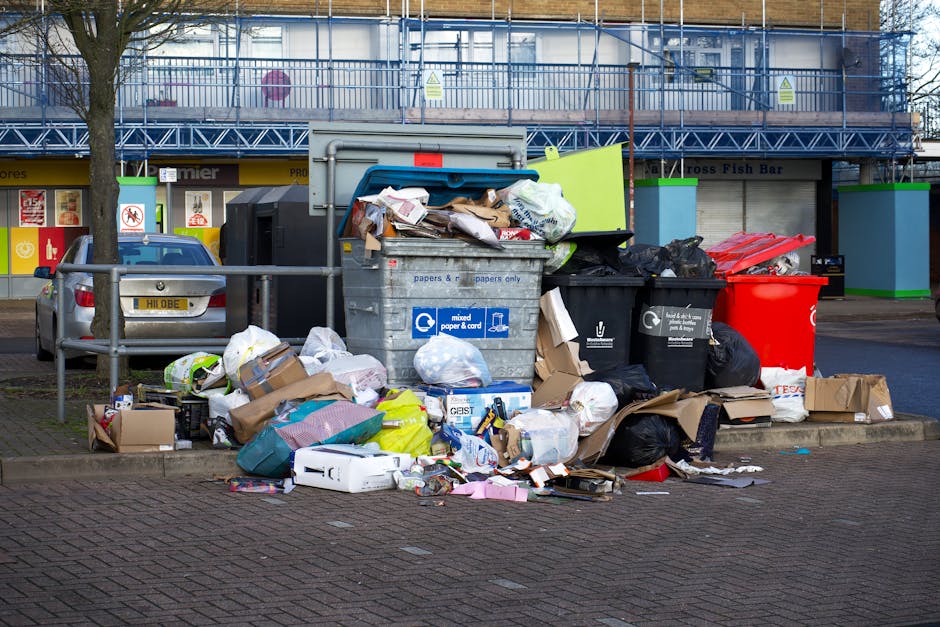
Bulky waste rules exist for a good reason. Large items are harder to collect, harder to sort, and more likely to cause problems on pavements, in shared entrances, or in loading areas. In a place like Knightsbridge, those issues are magnified because streets are busy, parking is limited, and many buildings rely on shared access or concierge-controlled entry. A sofa left in the wrong place is not just untidy; it can obstruct residents, staff, or service vehicles. And yes, that becomes everyone's headache.
Cleaning disposal matters too, because not every item produced during a clean is "just rubbish." Used chemicals, contaminated cloths, soak-off residues, packaging from cleaning products, broken equipment, and flood-soaked soft furnishings can all need different handling. If you mix everything together, you may create extra cost, extra collection trouble, or a compliance issue for the property owner or managing agent.
There is also a reputational side. Landlords, tenants, office managers, and hospitality hosts in Knightsbridge all want the same thing: a property that looks cared for. A well-managed waste process supports that. It prevents complaints from neighbours, avoids messy fly-tipping situations, and helps a clean finish feel properly finished.
Expert takeaway: the best disposal plan is usually the one that is decided before the last bag is tied. Once waste is already outside the door, your options become smaller and far less elegant.
How Knightsbridge council rules for bulky waste and cleaning disposal Works
At a practical level, bulky waste and cleaning disposal in Knightsbridge usually falls into a few broad categories. First, there are ordinary household items that are too large for standard bins. Second, there are waste streams created by cleaning itself, such as worn-out fabrics, carpet offcuts, damaged cushions, and packaging. Third, there are special items that may need separate treatment, such as electrical equipment, sharp materials, or contaminated waste.
The general principle is simple: separate what can be reused, recycled, or collected safely from what must be disposed of as residual waste. The exact collection route depends on the item, the property setup, and the level of contamination. For example, a dry bookshelf from a move-out clean is very different from a mattress soaked by leak damage. Same size, very different handling.
In many cases, the process involves one of four routes:
- Normal household waste or recycling for smaller, correctly sorted items.
- Bulky item collection or private clearance for larger items that cannot fit in standard containers.
- Specialist handling for items that may be unsafe, contaminated, or not suitable for ordinary disposal.
- Reuse or donation where items are still serviceable and a suitable route exists.
Cleaning businesses also need to think about practical logistics. Deep cleans, after-builders cleaning, or end-of-tenancy work can generate a surprising volume of rubbish: broken blinds, dust sheets, packaging, empty boxes, old bath mats, damaged toilet accessories, and the occasional mystery item from under a bed. That is where a structured collection plan saves time. If you are arranging a bigger clear-out, the house clearance service can be a more suitable fit than trying to force everything into normal waste channels.
For ongoing upkeep, services such as domestic cleaning or one-off cleaning are often paired with sensible waste separation, especially when clutter builds up alongside routine dirt. Little and often works. It really does.
Key Benefits and Practical Advantages
Following the right disposal approach does more than avoid hassle. It gives you control. That matters whether you are a tenant trying to hand back keys on time, a landlord preparing a property for new occupancy, or a managing agent dealing with shared spaces that cannot be left messy for long.
- Less risk of blocked access in narrow streets, front halls, or service corridors.
- Cleaner handovers after tenancy changes, refurbishments, or post-event resets.
- Lower chance of disputes with neighbours, landlords, or building management.
- Better recycling outcomes when items are sorted before collection.
- More predictable costs because waste is handled correctly first time.
- Safer working conditions for cleaners and removal teams.
There is a quieter benefit too. A tidy disposal process makes a property feel calmer. You walk into a room and can actually hear your own footsteps instead of that annoying crinkle of plastic bags and cardboard underfoot. Small thing, but it changes the whole feel.
Where shared buildings are involved, good disposal practice also supports smoother relations with residents. Many Knightsbridge properties rely on common entrances and shared bins, so being considerate is not optional in practice, even if people don't always say it out loud.
Who This Is For and When It Makes Sense
This topic matters to more people than you might think. If you only clean your flat once in a while, bulky waste may seem like a rare issue. But in Knightsbridge, the pattern is often different. Properties change hands frequently, short-let turnover can be fast, and premium homes often accumulate items that are not cheap or easy to discard. Old furniture, broken appliances, damaged rugs, and renovation debris can appear all at once.
You are likely to need clear disposal guidance if you are:
- a tenant moving out and leaving behind large unwanted items;
- a landlord or letting agent preparing for a new tenancy;
- a homeowner clearing space before renovation;
- a property manager dealing with communal areas;
- a business arranging a reset after office cleaning or fit-out work;
- a cleaner tasked with removing waste created during a deep clean;
- a host preparing a property after guests have caused damage or left excess clutter.
For hospitality and short-let settings, waste handling can be especially important. A quick turnover after Airbnb cleaning or before move-in cleaning often leaves very little margin for error. If the waste is not organised, the property can look unfinished even after the cleaning is technically done.
And for some jobs, the issue is not just waste, but residue. After a spill, odour, or heavy staining, services such as pet stain odour removal or stain removal may be needed before any disposal decision is made. Sometimes the item can be saved. Sometimes it cannot. The judgment call matters.
Step-by-Step Guidance
If you want to handle bulky waste and cleaning disposal properly, use a calm, structured approach. Not glamorous, maybe, but effective.
- Sort the waste by type. Separate bulky furniture, soft furnishings, paper/card, electrical items, and normal bagged waste. Keep contaminated materials apart from clean recyclable material.
- Check whether any item can be reused. If it is safe, intact, and genuinely usable, reuse is usually the smartest option. A serviceable chair is not the same thing as a damaged one with broken joints.
- Remove hazards first. Glass, nails, broken fittings, sharp edges, and wet or mouldy materials should be isolated. That is basic common sense, but it is easy to overlook in a rush.
- Decide if the item is bulky waste or clearance waste. A single wardrobe may be one-off bulky waste. Several rooms' worth of mixed items usually points toward a clearance job.
- Consider access and timing. In Knightsbridge, lift availability, concierge rules, loading restrictions, and narrow entrances can shape the plan. A good disposal strategy should fit the building, not fight it.
- Protect communal areas. Use coverings where needed and avoid dragging items through corridors. This is especially important in shared buildings and high-end finishes.
- Choose the right removal method. Ordinary waste, bulky collection, or full clearance each suit different volumes and item types.
- Document what has been removed. For landlords, agents, and businesses, a basic record or photo set can prevent later arguments. Not everything needs a formal audit; still, a few clear notes help.
- Finish with a clean sweep. Once the waste is gone, check corners, skirting, behind doors, and under fixed items. This is where the "we thought it was all done" moment usually happens.
If the job includes post-renovation debris or plaster dust, it may be more practical to combine removal with after builders cleaning. That saves duplicate visits and makes the property presentable faster.
Expert Tips for Better Results
Here are the things that tend to make the biggest difference in the real world.
Think in zones, not piles
Instead of collecting everything into one big heap and dealing with it later, divide the property into zones: kitchen, bedrooms, living areas, hallway, and storage. You will notice the process becomes much less chaotic. It also makes it easier to spot mixed waste or items that need special handling.
Keep soft furnishings separate
Textiles, cushions, curtains, rugs, and upholstery are often lumped together, but they are not all the same. A clean curtain panel may be reusable or recyclable in some circumstances, while a damp, damaged one may need disposal. If the fabric is salvageable, services like curtain cleaning, rug cleaning, or upholstery cleaning may be worth considering before you throw the item out.
Do not treat all waste as "general rubbish"
This is a common mistake. A broken desk, an empty detergent bottle, a used sponge, and a faulty kettle do not belong in the same mental bucket, even if they all ended up in the same room. Sorting saves effort later.
Plan around the building, not just the item
In a Knightsbridge mansion block, access may be the real constraint. Lifts, time windows, porters, and neighbours all shape what is possible. If you are managing a larger residential or mixed-use building, using communal area cleaning alongside waste planning helps keep shared areas safe and respectable.
Match the cleaning level to the waste level
A light tidy-up after regular cleaning is very different from clearing out a property after years of accumulation. If the space has moved into "too much for one person on a Saturday" territory, a more strategic approach is usually the right call.
Common Mistakes to Avoid
Most disposal problems are avoidable. That is the annoying part, honestly.
- Leaving bulky items outside too early. This can create an obstruction, attract complaints, or lead to the items getting wet or damaged before collection.
- Mixing contaminated waste with clean materials. Once mixed, recycling opportunities often disappear.
- Forgetting about access restrictions. A collection may fail if the vehicle cannot park or the building refuses an unscheduled pickup.
- Assuming one method suits every item. A mattress, a broken mirror, and a box of cleaning-product packaging may each need different handling.
- Ignoring building rules. In shared properties, the management company or freeholder may have their own expectations on timing and common-area use.
- Trying to handle too much at once. It sounds efficient, but it usually turns into a mess halfway through.
- Skipping the final check. Small leftover items create a surprisingly bad impression, especially in premium homes.
A quick story from the kind of day everyone in cleaning knows: one "simple" move-out ended with three bags of mixed waste, a damaged bedside table, two broken suitcases, and a surprising amount of packaging from last-minute replacements. The actual cleaning was fine. The disposal plan was not. That is the difference between a smooth handover and a long evening.
Tools, Resources and Recommendations
You do not need a huge toolkit, but you do need a few basics to make disposal cleaner and safer.
- Heavy-duty sacks and rubble bags for separating bagged waste from soft items.
- Marker labels or sticky notes to identify what is reusable, recyclable, or to be removed.
- Gloves and basic protective gear for handling dirty or sharp waste safely.
- Furniture sliders or trolleys where access is awkward or items are heavy.
- Photo documentation for landlords, agents, and managers.
- Cleaning solution staging so that disposal items do not get re-contaminated during a job.
For businesses and property teams, it also helps to have internal standards. A simple handover note, a room-by-room checklist, and a clear decision on what counts as clearance waste can prevent confusion later. If you often deal with larger spaces, commercial cleaning and office cleaning arrangements are worth aligning with waste procedures, not run separately.
Where cleanliness needs to be restored after disposal, especially in soft furnishings or floor coverings, you may also need a specialist finish such as carpet cleaning, steam carpet cleaning, sofa cleaning, or mattress cleaning. That is often the difference between "cleared" and "ready to live in."
If you are comparing service options or trying to understand what a professional visit may involve, the pages on pricing and quotes and terms and conditions can help you understand the booking side before you commit. It is always better to know the shape of the job first.
Law, Compliance, Standards, or Best Practice
Any discussion of bulky waste and cleaning disposal should be careful here. Local council arrangements can change, and building rules can be stricter than public expectations. So the safest approach is to treat council guidance, landlord instructions, and property-management rules as the first layer, then apply best practice on top.
In the UK, the basic principle is that waste should be managed responsibly, stored safely, and handed to the correct collection route. For businesses and landlords, that generally means you should keep waste from becoming a nuisance, avoid unsafe storage, and make sure anyone removing waste is doing so appropriately. If you are running cleaning operations, health and safety and insurance should not be an afterthought. They are part of the job.
Best practice in Knightsbridge usually means:
- separating waste before collection;
- protecting communal areas and entrances;
- avoiding unauthorised dumping or leaving items in shared spaces;
- keeping hazardous or contaminated materials away from ordinary waste streams;
- using insured, safety-aware cleaners or clearance teams where the job is more than a bag of household rubbish.
If the work is commercial or public-facing, the standard should be even higher. A single poorly handled waste pile can undo a lot of otherwise good cleaning work. That is just how it goes. For anyone who values safer handling and clearer accountability, reviewing a provider's health and safety policy, insurance and safety, and recycling and sustainability approach is a sensible step.
Options, Methods, or Comparison Table
Choosing the right disposal method is usually about volume, urgency, and item type. Here is a simple comparison.
| Method | Best for | Pros | Limits |
|---|---|---|---|
| Standard bin disposal | Small, correctly sorted waste | Quick and familiar | Not suitable for large items or awkward waste |
| Bulky item collection | Single large items like wardrobes, mattresses, or sofas | Convenient for one-off removals | May not suit mixed or heavily contaminated waste |
| House clearance | Multiple rooms of mixed items | Efficient for larger jobs | Usually more involved than a simple collection |
| Combined cleaning and clearance | Post-move, post-build, or end-of-tenancy situations | Saves time and gives a better final finish | Needs good planning and access coordination |
For many Knightsbridge properties, the combined approach wins because it fits the reality of the space. One visit, one plan, fewer surprises. That matters when keys, guests, or contractors are waiting on the other side of the door.
Case Study or Real-World Example
A typical Knightsbridge scenario goes like this. A tenant moves out of a period flat near a busy road, leaving behind a broken ottoman bed, a damaged rug, several bags of mixed waste, and some cleaning residue in the kitchen. The building has a narrow lift, limited loading time, and strict rules about leaving items in the communal hallway.
The first instinct is to move everything out as fast as possible. But a better approach is to separate the items first. The rug is checked for salvageability. The bed frame is dismantled. The bags are sorted. Glass and sharp fragments are wrapped securely. The hallway is protected during removal. The flat is then cleaned in stages, rather than all at once.
What changed the outcome was not force. It was order. The job finished on time, the building was left tidy, and the tenant avoided the very awkward feeling of having to explain stray debris to the landlord. Not glamorous, but very effective.
In a larger property, the same logic applies to end of tenancy cleaning and move-out cleaning. When the waste plan and cleaning plan work together, the finish looks deliberate rather than rushed.
Practical Checklist
- Identify whether the waste is ordinary, bulky, contaminated, or specialist.
- Separate reusable items from genuine disposal items.
- Check building access, loading restrictions, and collection timing.
- Protect common areas before moving anything through them.
- Keep sharp, wet, or dirty materials isolated.
- Use proper bags, covers, or trolleys for heavy or awkward waste.
- Match the disposal method to the volume of waste.
- Finish with a final inspection of corners, cupboards, and under furniture.
- Record what has been removed if you are managing a property or business.
- Make sure any cleaning residue is fully cleared, not just hidden.
If the job involves outdoor areas as well, a finish like patio cleaning or window cleaning may be part of the last stage. Tiny details, yes, but they affect how the property feels the moment someone steps in.
Conclusion
Handling bulky waste and cleaning disposal in Knightsbridge is really about discipline, not drama. Sort early, plan access properly, and choose the disposal route that suits the item rather than forcing everything into the same process. That simple habit prevents wasted time, awkward building issues, and a lot of last-minute stress.
For homes, landlords, businesses, and managing agents alike, the best results come from combining clear disposal decisions with sensible cleaning standards. When you do that, the property feels settled, safe, and ready for what comes next. And honestly, that is what good local service should do.
Get a free quote today and see how much you can save.
Sometimes the cleanest outcome is also the calmest one. No fuss, no piles, just a proper finish.
Frequently Asked Questions
What counts as bulky waste in Knightsbridge?
Bulky waste usually means large household items that do not fit into normal bins, such as sofas, mattresses, wardrobes, tables, or broken storage units. The exact handling can depend on the item's condition and whether it is contaminated.
Can I leave bulky items outside my property before collection?
Sometimes people do, but it is not always wise. In Knightsbridge, access, building rules, and neighbour impact all matter. Leaving items out too early can cause obstruction or complaints, especially in shared entrances.
Do cleaning cloths and empty product bottles count as bulky waste?
Usually no, but they still need sorting. Empty bottles may be recyclable if clean and accepted locally, while used cloths or heavily contaminated materials may need residual waste treatment. It depends on the condition, not just the size.
What is the best option for a whole flat full of unwanted items?
A house clearance is usually more suitable than a single bulky collection when multiple rooms, mixed items, or heavy waste are involved. It is often the cleaner and quicker route for larger move-outs.
How should I dispose of a mattress after a move-out clean?
A mattress should be treated as a bulky item, and if it is stained, damp, or damaged, it may need special handling. If it is still usable, some people explore reuse before disposal, but that depends on condition and hygiene.
Do I need to separate recycling from bulky waste?
Yes, as far as reasonably possible. Separating recyclable material before collection makes disposal cleaner and can reduce waste going to residual streams. It also makes the whole process less messy. Much less messy.
What should I do with broken glass or sharp items?
Wrap them securely, label them if helpful, and keep them away from ordinary soft waste. Safety is the priority here. Never let sharp debris mix loosely with bags or boxes that cleaners will lift later.
Are cleaning disposal rules different for landlords and businesses?
The principles are similar, but landlords and businesses usually need stronger records, safer handling, and more consistent standards. Shared spaces, duty of care, and handover expectations make compliance more important.
When does it make sense to book cleaning with disposal support?
It makes sense when the waste is too much for standard bins, the property needs to be handed over quickly, or access is tricky. It is especially useful after moves, refurbishments, or heavy-use periods.
Can a cleaning service remove waste as part of the job?
Yes, if the service is set up for it and the items are within the agreed scope. For larger clearances, it is better to confirm the plan beforehand so there are no surprises on the day.
Is there a difference between deep cleaning and disposal?
Yes. Deep cleaning restores surfaces and removes built-up dirt, while disposal deals with unwanted items and waste streams. They often happen together, but they are not the same task.
What is the smartest way to avoid disposal problems in Knightsbridge?
Plan early, sort items before moving them, and respect building access and shared areas. If you are unsure, choose the slower, tidier option. It nearly always saves time later.
If you need help with a larger clear-out or want to pair disposal planning with a more thorough property clean, you can review the service details on the site and choose the approach that fits your space best.